DAV national chaplain: There’s more than ‘thank you’
Showing appreciation for military veterans is more than just words.
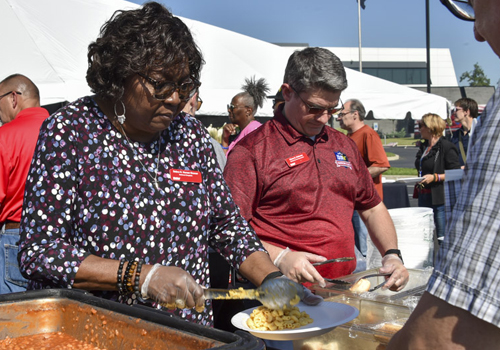
We saw this firsthand in April for our third annual DAV Community Impact Day, when thousands of volunteers across the country took time out of their day to honor veterans. Acts of service included holding cookouts, cleaning yards, visiting veterans’ homes and so much more.
They’re simple gestures, but these acts express gratitude and honor the contributions and sacrifices made by those who’ve served. Coupled with words of appreciation, they can foster meaningful connections and demonstrate sincere respect.
I encourage you to continue finding ways to honor veterans that go a little further than “thank you.” Perhaps it’s paying for the order of the veteran standing in line with you at the coffee shop. Maybe it’s committing to monthly visits to the assisted-care facility you went to for Community Impact Day. It could be signing up as a volunteer driver with the DAV Transportation Network. It may be as simple as a phone call to check in on someone you haven’t heard from in a while.
Each of these examples strengthens our community and demonstrates that we value the sacrifices made by those who’ve served or continue to serve.
But it goes beyond that.
When you demonstrate thanks instead of just saying the words, you’re creating a touchpoint. Your generosity or meaningful interaction could open up an opportunity to share about the community DAV offers and the work we do on behalf of veterans and their families.
That information could be lifesaving—it has been for others.
Acts of service inspire others. If you start a habit of demonstrating your thanks to a veteran, others will notice. They may observe quietly at first, but if you’re consistent, your actions may spur them to act.
That’s the ripple effect. And the more people who act, the more veterans feel seen, acknowledged and appreciated.
One final benefit is that people who haven’t worn the uniform will learn more about what military service means. They’ll hear the stories that helped shape the freedoms we enjoy today directly from the people who experienced them. They’ll learn that sometimes how veterans are portrayed in movies and shows is a myth or an exaggeration. They’ll see that veterans represent a broad cross-section of our nation, which can help lessen the military-civilian divide.
So make it a point to do more than offer thanks when you see a veteran. Slow down, take the time and put in the effort to make a small difference in someone’s life.